

Broad Strokes
Pride & Prejudice (Part 1)

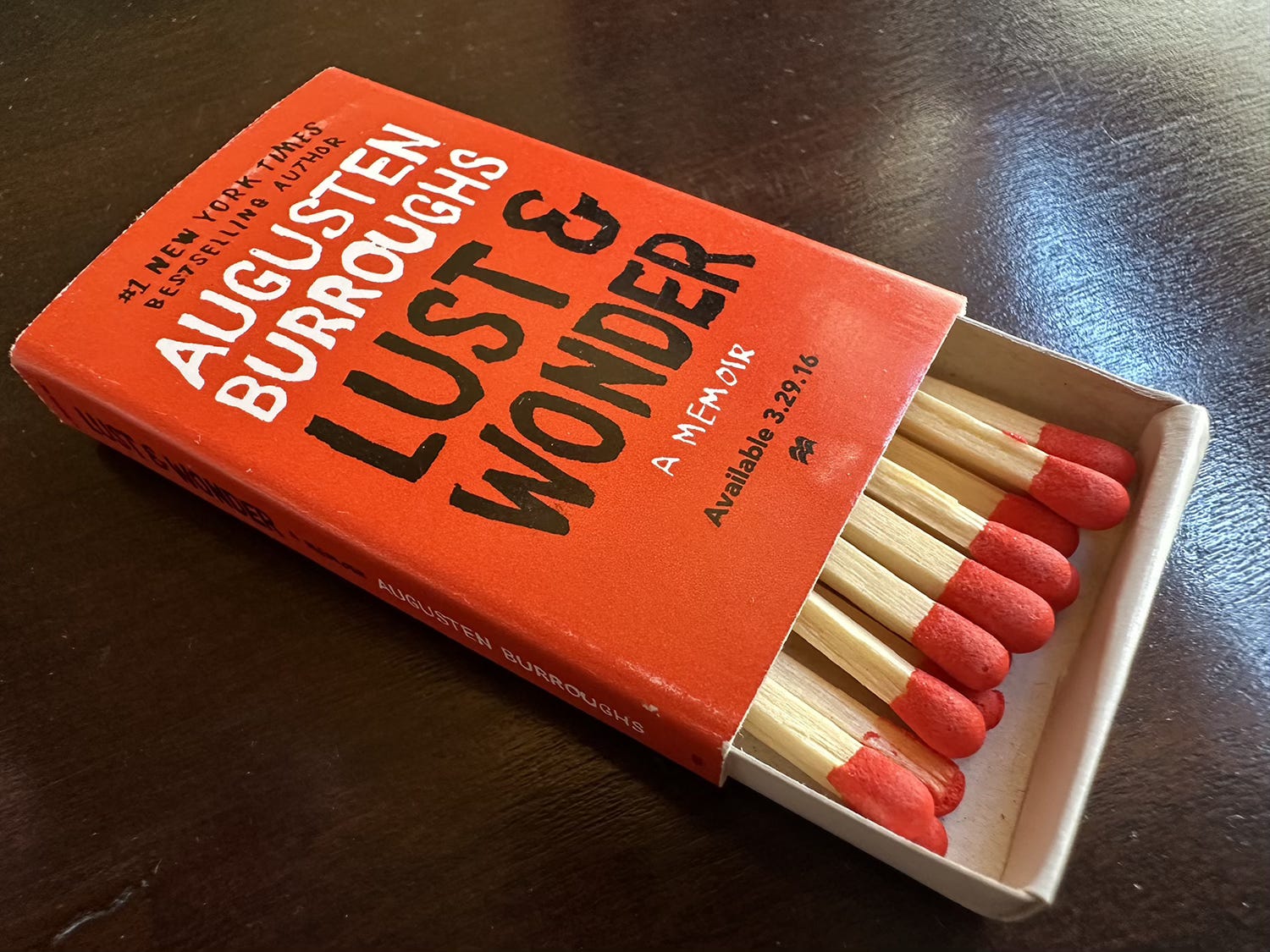
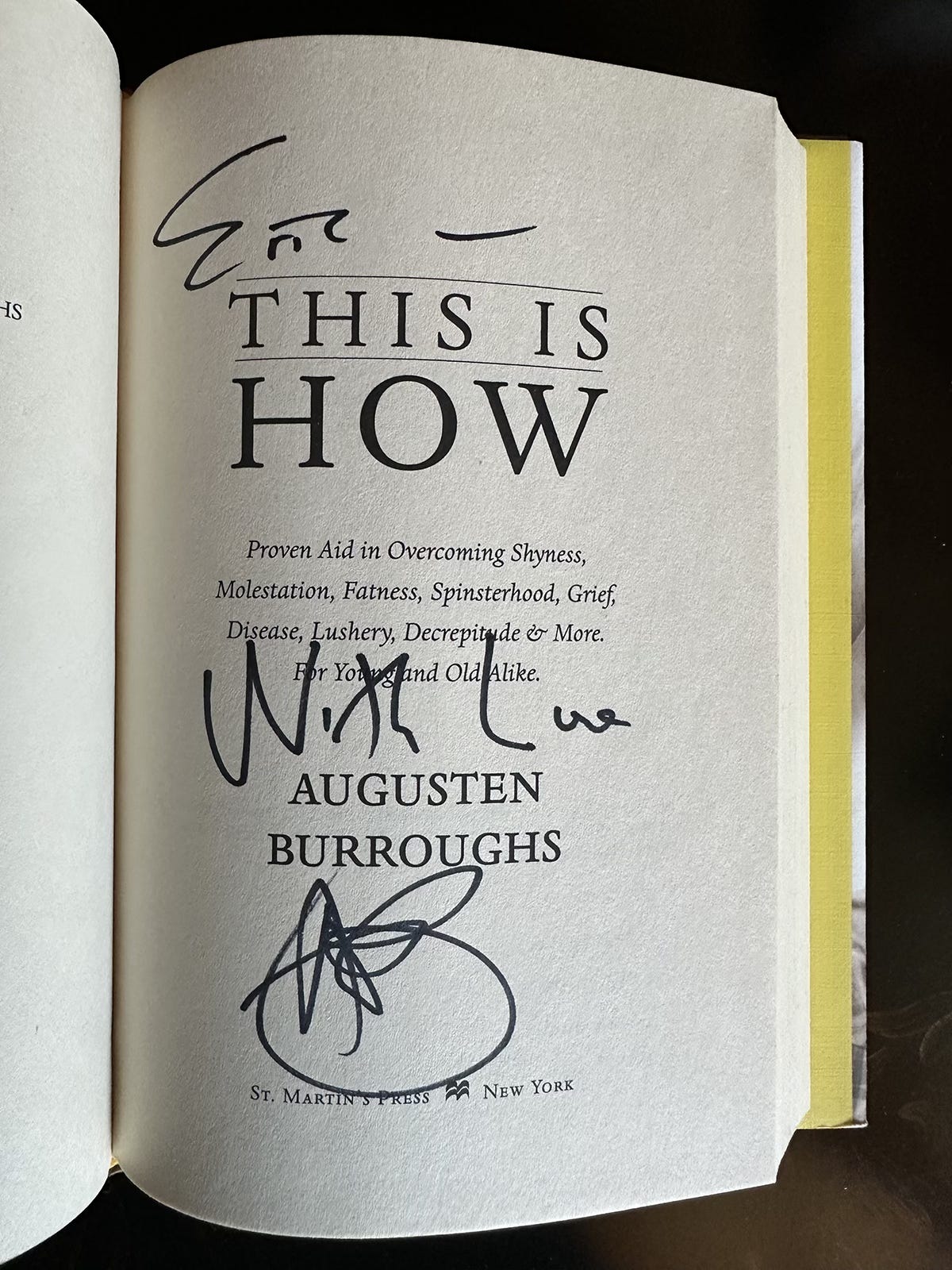
I drove to Chicago’s Lakeview neighborhood to purchase a book from a local merchant. I didn’t know which book, only that it was authored by Augusten Burroughs, who would be signing copies the following week. After buying the book, plus another on impulse, I walked Broadway Street in search of a restaurant.
I wasn’t all that hungry, but wanted somewhere to go and be. I chose a breakfast joint mostly because it was the only restaurant among many that was yet open. I ordered an egg skillet dish—which I never do and didn’t want—and an iced tea. I didn’t want the tea either. I wanted coffee. But for some reason, I didn’t order it. So, I sat uncomfortably with my decisions and decided the novelty wouldn’t harm me. I could go beyond my comfort zone, eat scrambled eggs instead of fried ones, and drink tea instead of coffee. The eggs were still eggs, and the tea still had caffeine. What’s the difference?
Always curious to know whose company I’m in, I looked around the room and studied the patrons. I noticed what appeared to be a father with his adult daughter, a young couple with what I presumed was their child. I saw two women sitting in a booth across from each other, and ahead was an older man alone at a table along our shared, wood-paneled half-wall. I watched a couple of men, sixty or so, eating at a table in the center of the room. They were gay.
How did I know they were gay? Subtle interactions informed me they were “together.” Through life experience and observation, I’ve learned to assess with success the difference between couples and friends.
You see, I am a highly social person and often interact with strangers, extending friendliness without prompting. Back in my twenties, I noticed this quirk of mine was often misconstrued as flirting when directed at a woman in the company of her boyfriend. His unease and jealousy would begin to bubble, sometimes boiling over into a rift—something I’d notice looking back after I left.
Eventually, I learned to hone my situational awareness by engaging the men first to determine whether they were friends or lovers. I don’t want to make anyone uncomfortable. Over time, I became adept at reading body language and the associated subtleties, revealing differences between couples and acquaintances.
As I watched the men in the restaurant, I thought about how most might not infer their sexuality. I was surprised the first time I realized that gay men weren’t always flamboyant scene-stealers but often people who behave as typically as heterosexual men, save for their predisposition for same-gender intimacy—that being the only difference.
This understanding presented itself in the early 90s while directing a photo shoot at a studio in downtown Cleveland. Upon the day’s conclusion, a couple of photographers invited me next door for a cocktail at a bar adjacent. Upon entry, I immediately assessed that all the patrons were men. There was a strange tension in the room. I consciously felt out of place.
I asked one of the photographers, “What’s up with this place?”
“I’m not sure what you mean,” he said.
“I don’t know; it seems eerily quiet in here. Almost sad.”
He said he didn’t know, but informed me it was a gay bar. I scanned the room again. It didn’t look like any gay bar I had been to. The gay bars I had experienced in my twenties were filled with other 20- to 30-year-olds, men and women, straight and gay, thumping music, swirling lights, color, and cacophony. At five o’clock on a weekday, this place was filled with unassuming, gray-toned men, twenty to thirty years my senior. These men were uncles, familiar faces at the supermarket, a neighbor on the block. They weren’t “Queens.” They were modest men, perhaps hiding away as if banished to a secret island. They were just like anyone else. I felt hollow and ashamed of my shallow understanding—not recognizing the difference.
I continued watching the men in the middle of the room eating their meals in a breakfast joint on Broadway. I wondered how long they had been together. I wondered why our country is so divided by the equals symbol added as the official logo for The Human Rights Campaign.
I wondered why we are debating the rights of same-sex couples and their right to marry. What’s the difference? Seriously, what difference could it make? How could the marriage of two people who happen to be of the same gender possibly negatively affect another’s livelihood or ability to function without undue stress? Don’t tell me anything about the Bible regarding this, or I’ll behave as hypocritically as you and kick you right in the shins.
I glanced back at the men and noticed another gray-haired man had approached the table. He seemed to know the man whose back was to me. They began to converse. The newcomer stood the entire time. The man who knew him never introduced the standing man to his partner. The partner — the man whose face I could see— never introduced himself to the standing man. I’m not sure why.
This went on for 15 minutes. The man seated facing me began fussing with his iPhone. The other two men engaged without end. I felt empathy for the man left out. I also felt he might have asserted himself more for his own sake. Eventually, he rose without a word.
Jealous was he, I guessed. But civil enough was he not to make a scene. He left the restaurant, crossed the street, and entered a black Mustang. I thought he was too old for a sporty Mustang, but who am I to judge? I wondered whether he would wait for his partner or leave.
Of course, he waited. This is the man he loves, perhaps, forever. Eventually, the man who ignored his partner in favor of the newcomer paid the bill, exited, and walked to the passenger door of the black Mustang. He opened the door and fell in beside the other. Maybe they argued. Maybe they didn’t. Maybe they recognize each other’s needs and understand the difference between their personalities.
Perhaps their relationship is like yours, or any with challenges and complexities. It sure looked that way to me. Maybe I see things differently.
Random acts of observation can bring memories to the surface that may confound oneself in the everyday that we don't see everyday without ordering iced tea instead of coffee.