

The Book of Daughteronomy

“On a Wednesday, I sat with a 2nd grader; I thought about the fact that my great-grandfather was her age during the American Civil War, and that I was her age when her great-grandfather served in Vietnam. I thought about time.” — Eric Johnson
When I was in high school, I thought about the future. I imagined I had children. I told myself if I ever had a daughter, I would name her Taylor. How rude of me to decide without asking her future mother, whoever that might be. It wasn’t even a girl’s name back then. It probably was, but I’d never heard it. Ms. Swift wouldn’t be born for another 9 years, and the wider world wouldn’t know her name for another 14.
When I was in college a met a young woman named Michael. I thought it was the coolest name for a girl I’d ever heard, so I changed my mind and decided I’d ask my future wife if we could name our daughter Michael. I could lie to my childhood friend, Michael, and say she was named after him.
In my early 20s, I saw a young woman at a gas station/mini-mart. Her face was so arresting I couldn’t avert my gaze. I can’t describe it. All I knew was I’d never seen anything like it. I approached her with an excusatory tone and, somehow, without any filter whatsoever, said something about how taken I was with her appearance and told her of what I believed at the time was my ability to determine a person’s particular lineage or heritage, but couldn’t in that instance, so I asked, “What’s your nationality?”
She smiled and said, “Well, my father is from West Virginia, and my mother is from Japan.”
“You’re the most beautiful person I’ve ever seen,” I said, and left her with that, quickly turning away—heading for my car, not wanting her to think I was hitting on her.
As I drove, I thought, I have hillbilly ancestry from West Virginia and Tennessee. Maybe I should marry a Japanese woman, and we could have a daughter turning heads.
In my 30s and childless, I asked a photographer friend of mine who had two sets of children with two different women from two different eras what it was like to have children. He said, “Don’t have children unless you need them.”
I met a young woman in a local writing group a couple of years ago. I’ll call her Taylor. We became fast friends. I was 38 when she was born. She is now 23. Did I see her as a potential surrogate daughter? Not really. I already have a surrogate—my lovely Goddaughter, Hannah. Being a Godfather is weird when I don’t believe in God. That’s not true. I believe in something akin to God, but I don’t have a name for it, and it certainly doesn’t have a gender. Can you imagine how lonely the Bible God would have been before he decided that enough is enough and, “Damn, I’m lonely, I need to create something I can punish.”
I wondered if Taylor saw me in any way as a surrogate father, knowing that she was estranged from her own father. That thought crumbled after she asked if she could bring her grandmother to our place. She wanted me to meet her. Or her me. Or just see the place. It’s a pleasant place after all. I obliged.
When I got a text from Taylor that they were on their way, I was picturing what Gramma would look like. Was she frail, white-haired, with a cane? When they entered the house, my eyes widened. Her gramma was pretty. Maybe even “hot” depending on one’s libido. But of course, she’s only two years older than me. Grammas aren’t what they used to be when I was young. They are real people living real lives. Not muted matronly women in housecoats.
At one point, I wondered if Taylor saw me as a grandpa surrogate. Oh God, please, no. I would need a therapist if that were the case. I know I’ve been a source of unintended therapeutic mentoring for Taylor, as is evidenced by the thoughtful birthday card she gave me. And for sure, she sees me as a friend. She wrote:
Things I have learned from our friendship and talks
• let shit go that you can’t control!
• be authentic
• ask for help if you need it
• be proud of yourself
• love yourself
Eric,
I’m glad we have formed a good friendship, and it continues to grow. To more memories, porch talks, and philosophical convos.
Love you, friend
Taylor
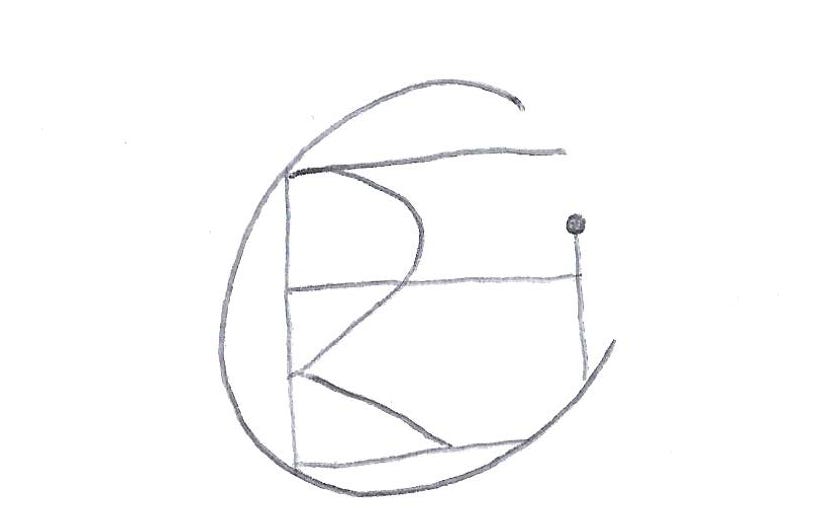
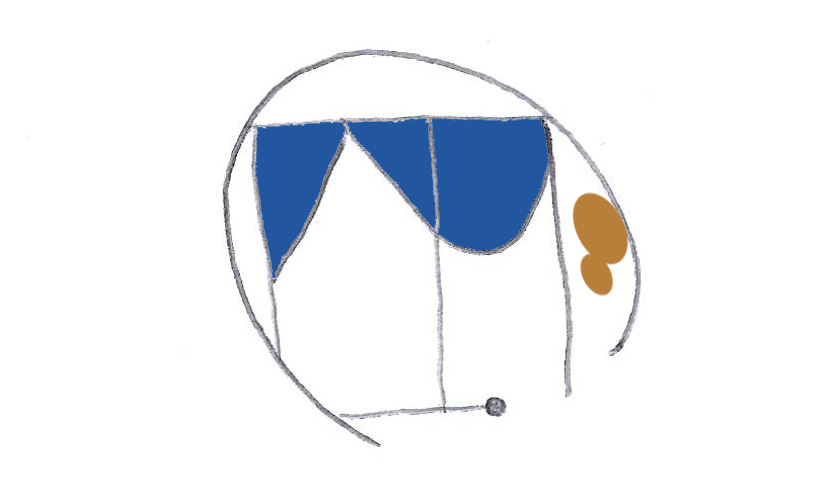
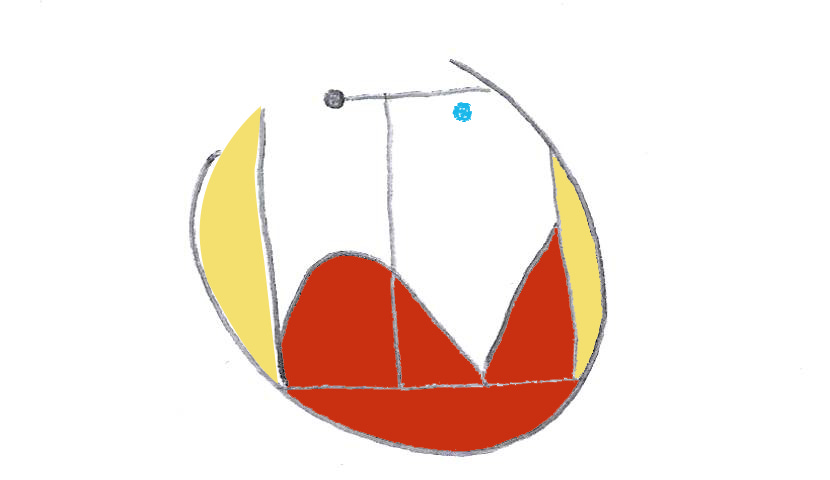
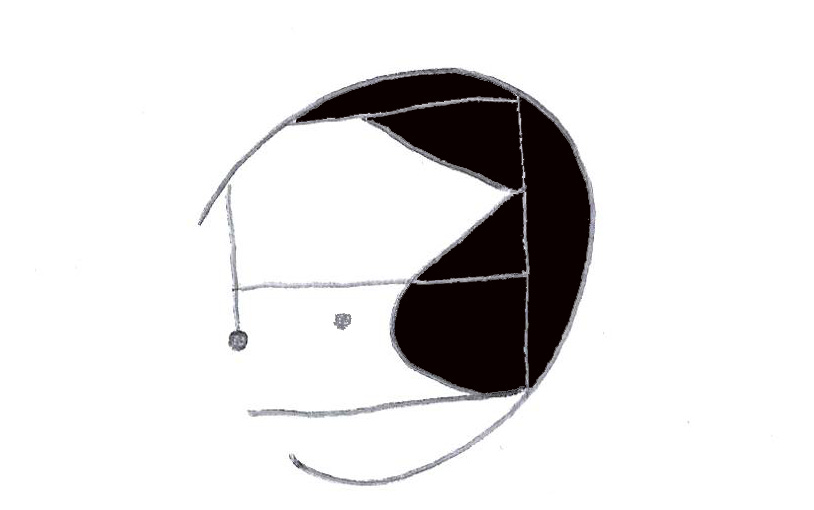
One of my favorite features of the card—because it requires a different, creative kind of energy—is how she wrote my name on the envelope. As if it were a ligature logo. In addition, the markings tapped my own creativity as I spun it 90 degrees three times and saw new imagery. I added minimal additions to help clarify what I saw.
Time is fickle and runs at different speeds while at different times. The people that arrive at one time or another only differ through our own perception of how much time is needed to have a human experience.